Ramayan Vishwavidyalaya (MMYRV) was established on June 2025 with the vision to provide quality education and foster intellectual and personal growth.
 Founded by Maharishi Mahesh Yogi

September 12, 2026
Introduction
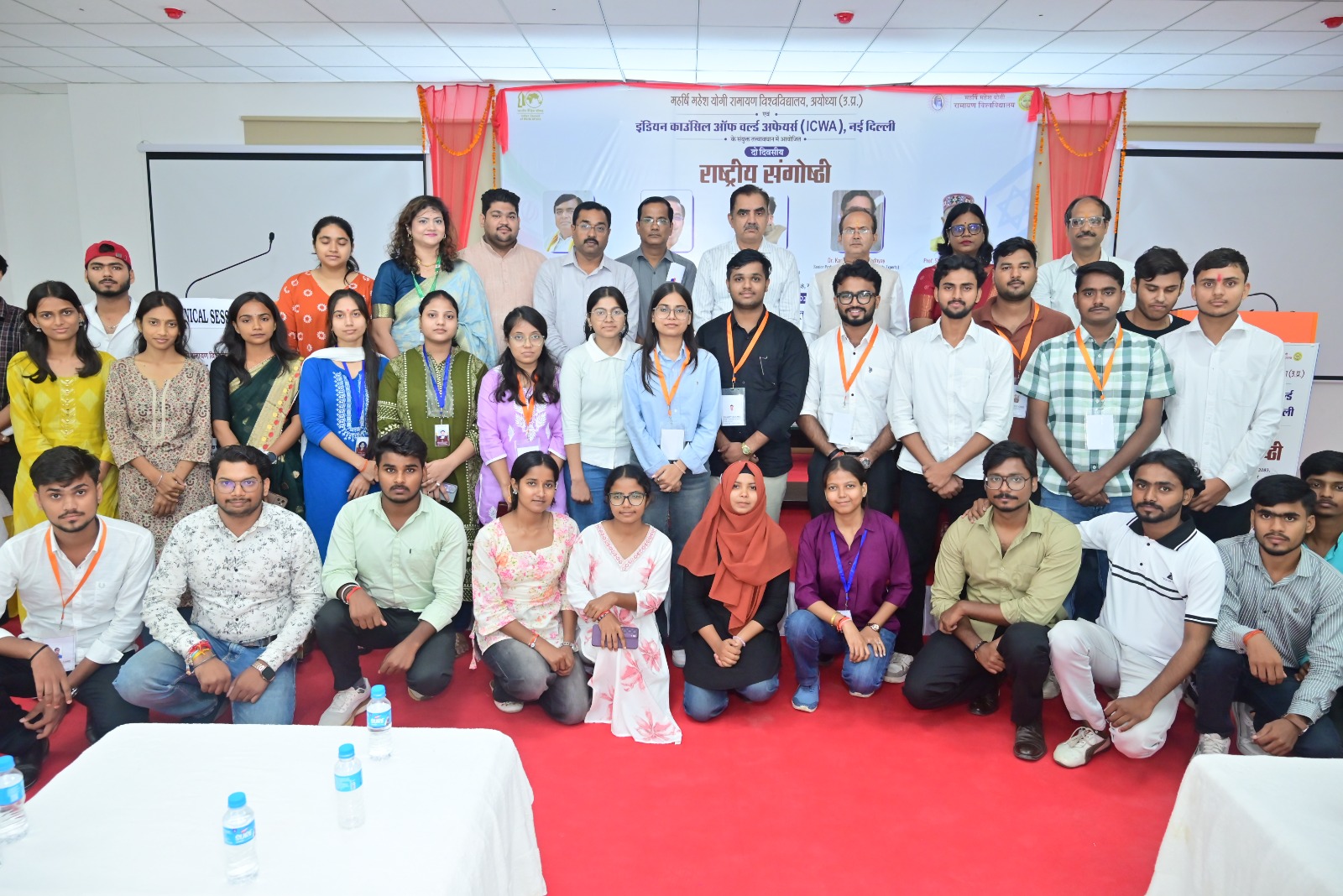
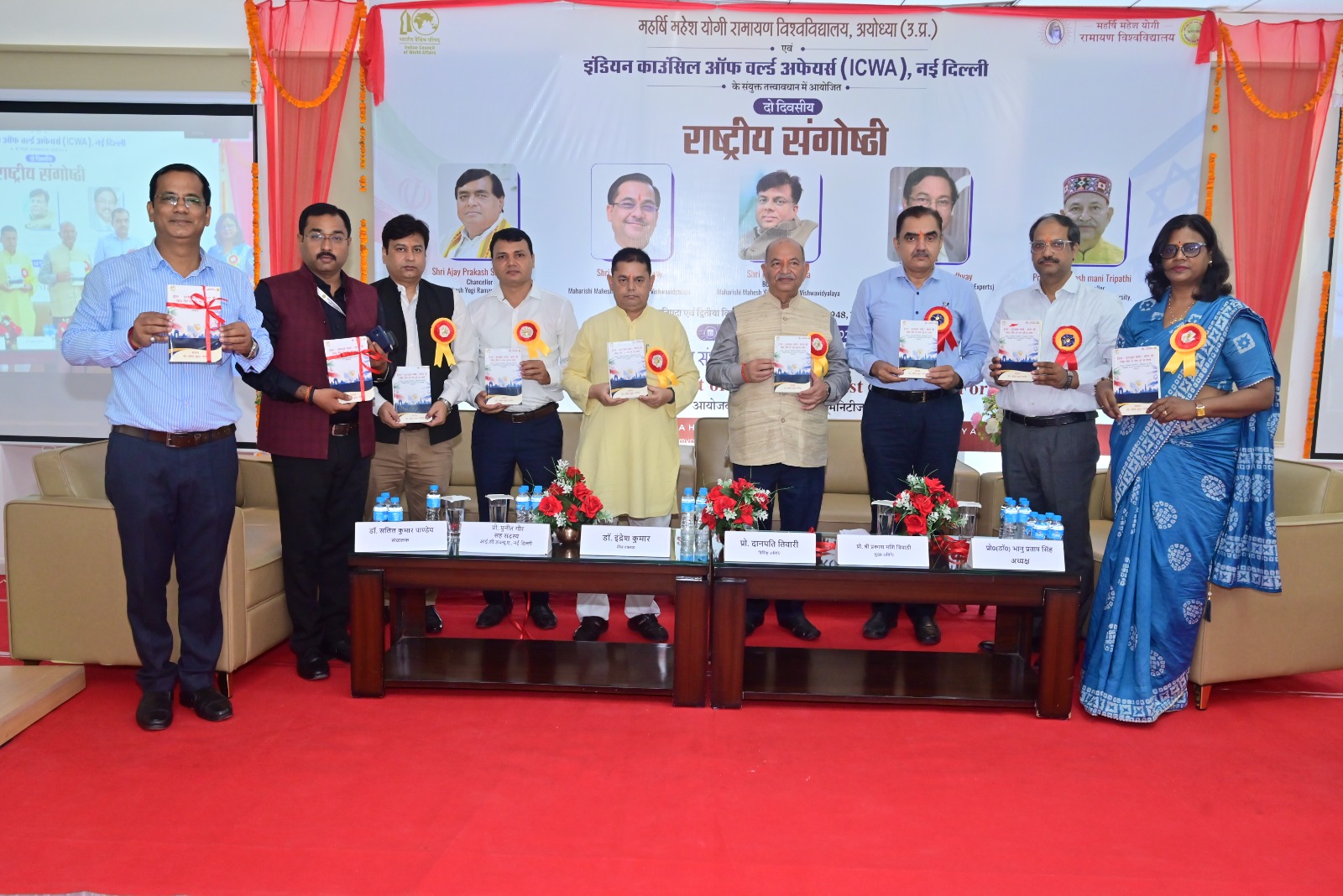
Maharishi Mahesh Yogi Ramayan University, Ayodhya, in collaboration with the Indian Council of World Affairs (ICWA), New Delhi, organized a two-day National Seminar on "Iran–Israel Conflict: Impact of the Middle East on India's Foreign Policy" on 12–13 September 2026. The seminar examined the regional and global implications of the conflict and its impact on India's strategic, economic, and diplomatic interests. Scholars, subject experts, faculty members, and research scholars from across the country participated and presented their views through lectures and research papers.
Inaugural Session
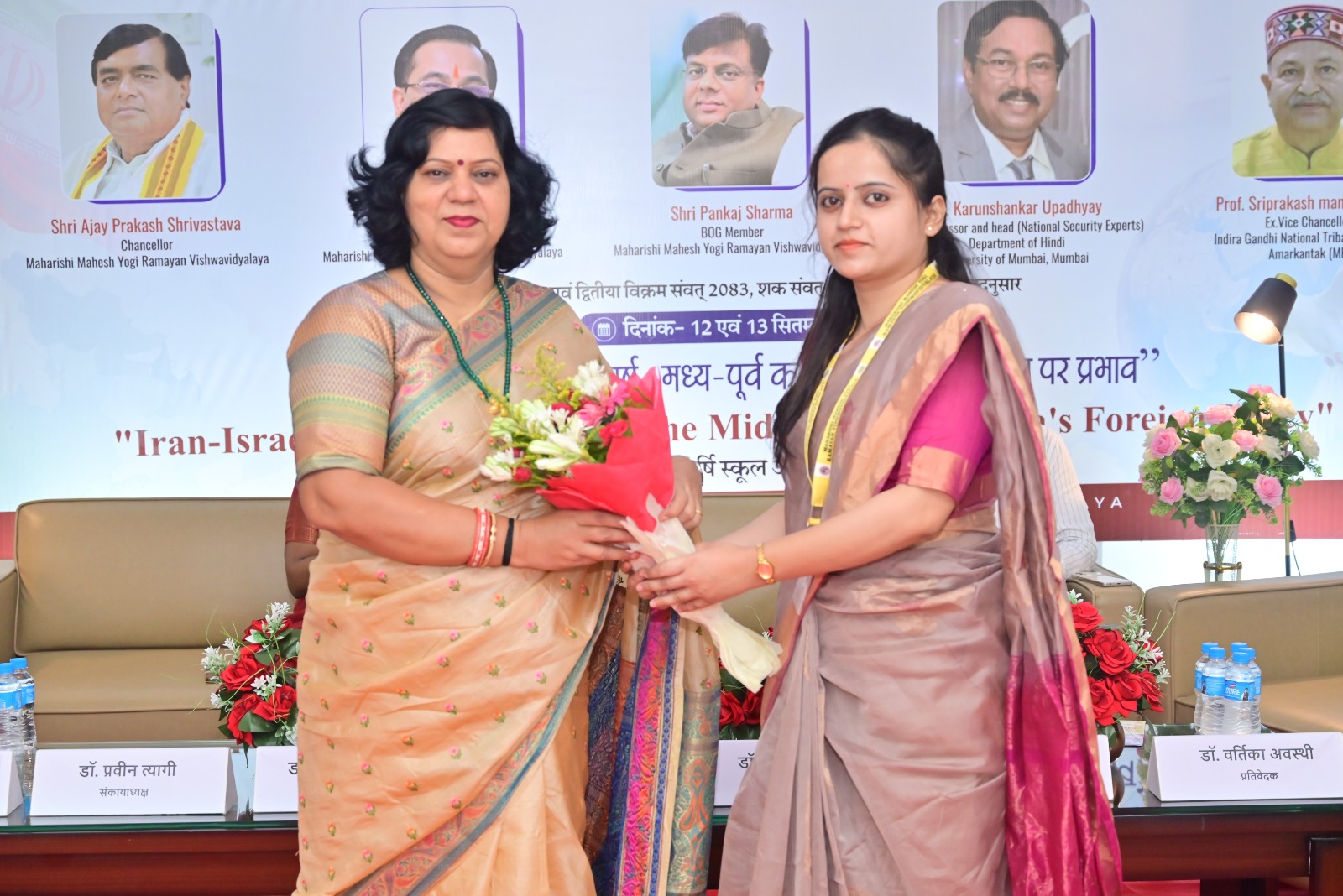
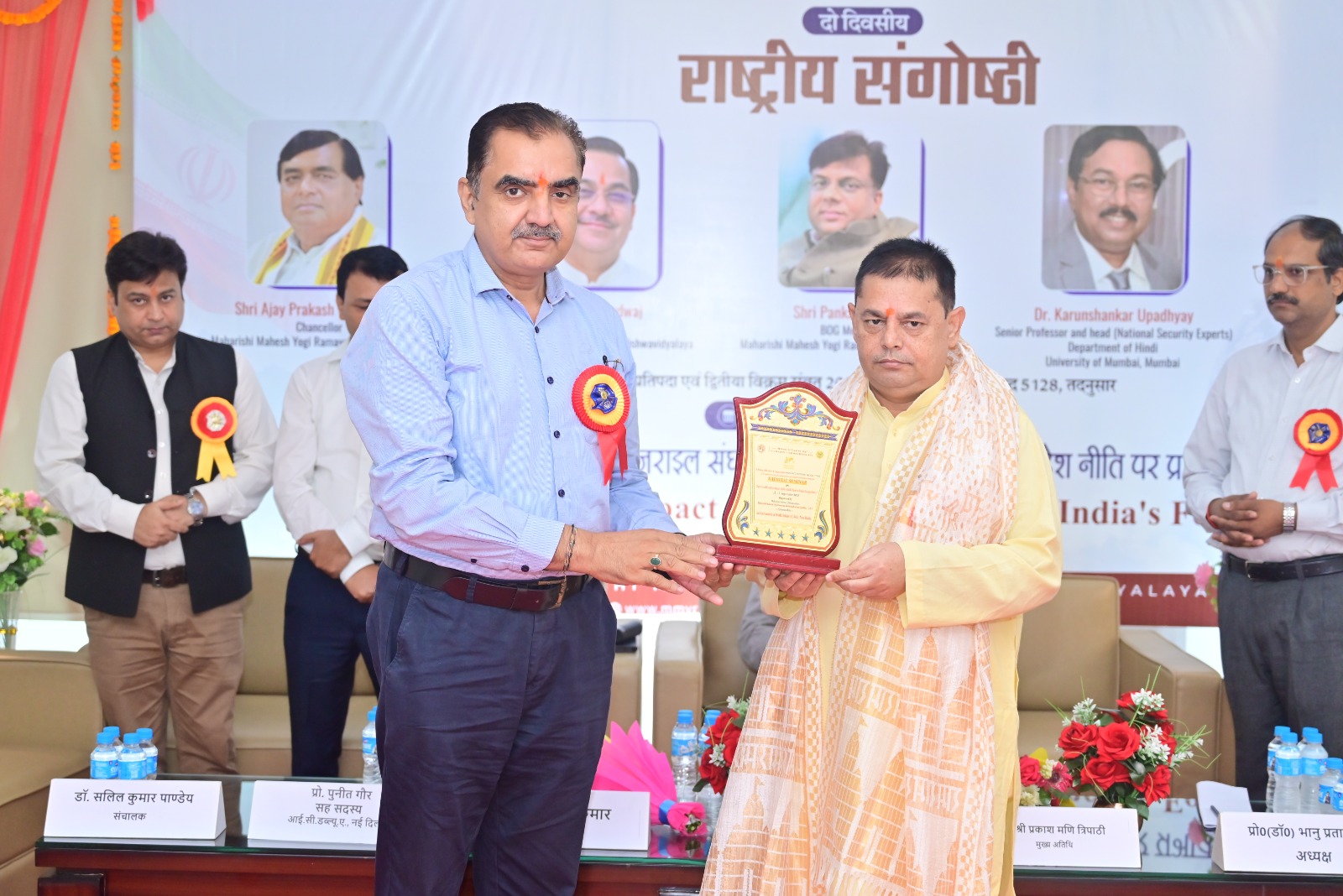
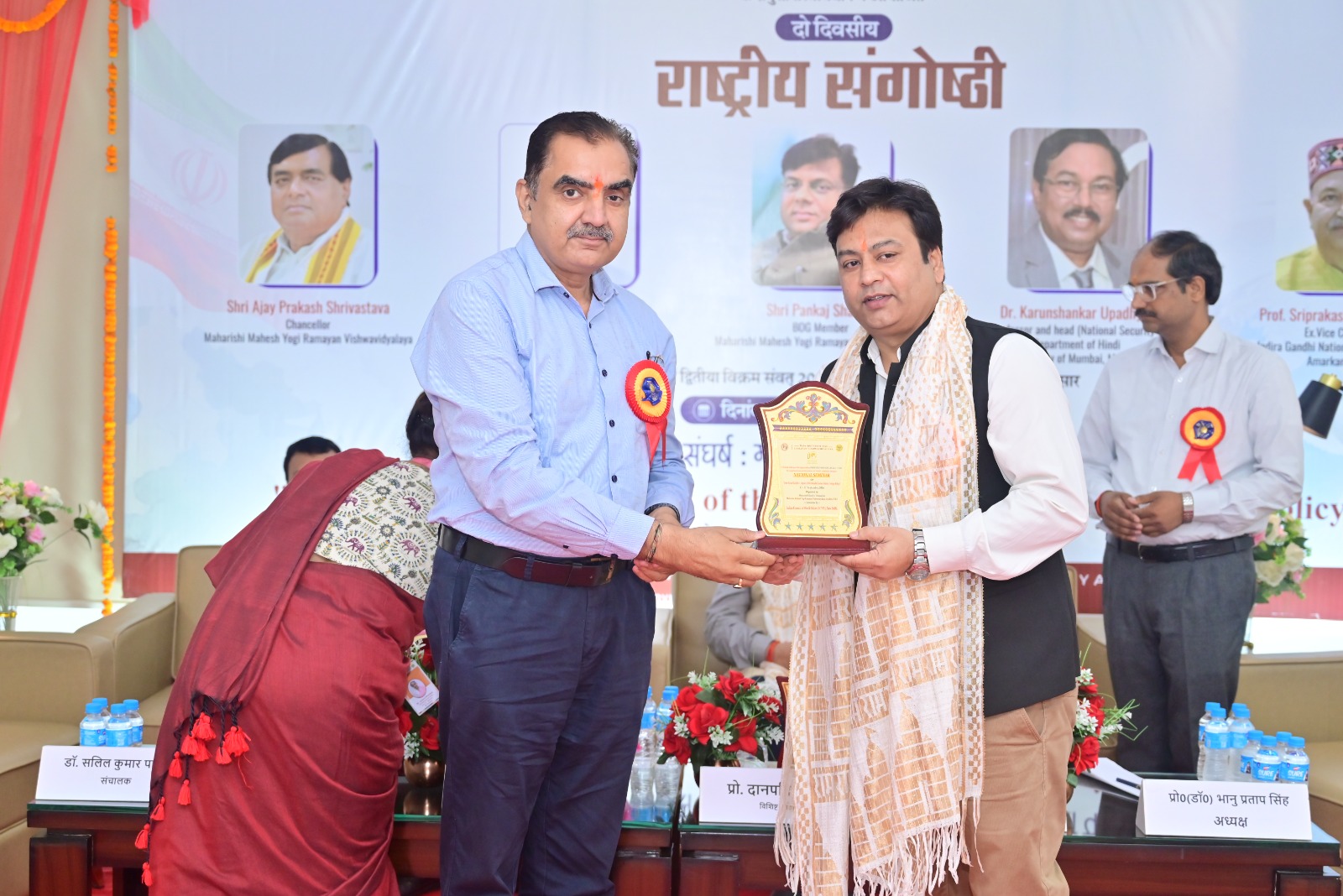
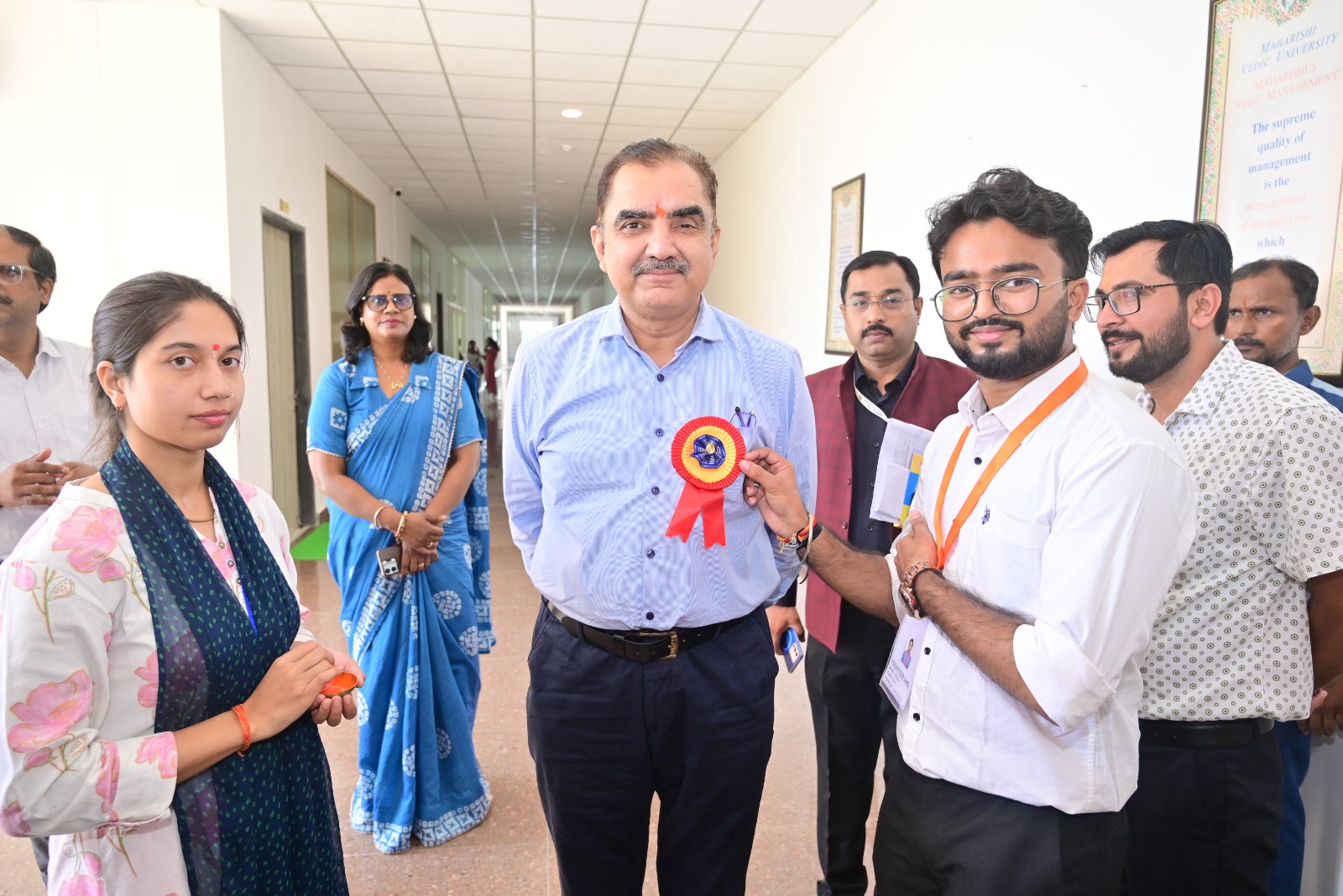
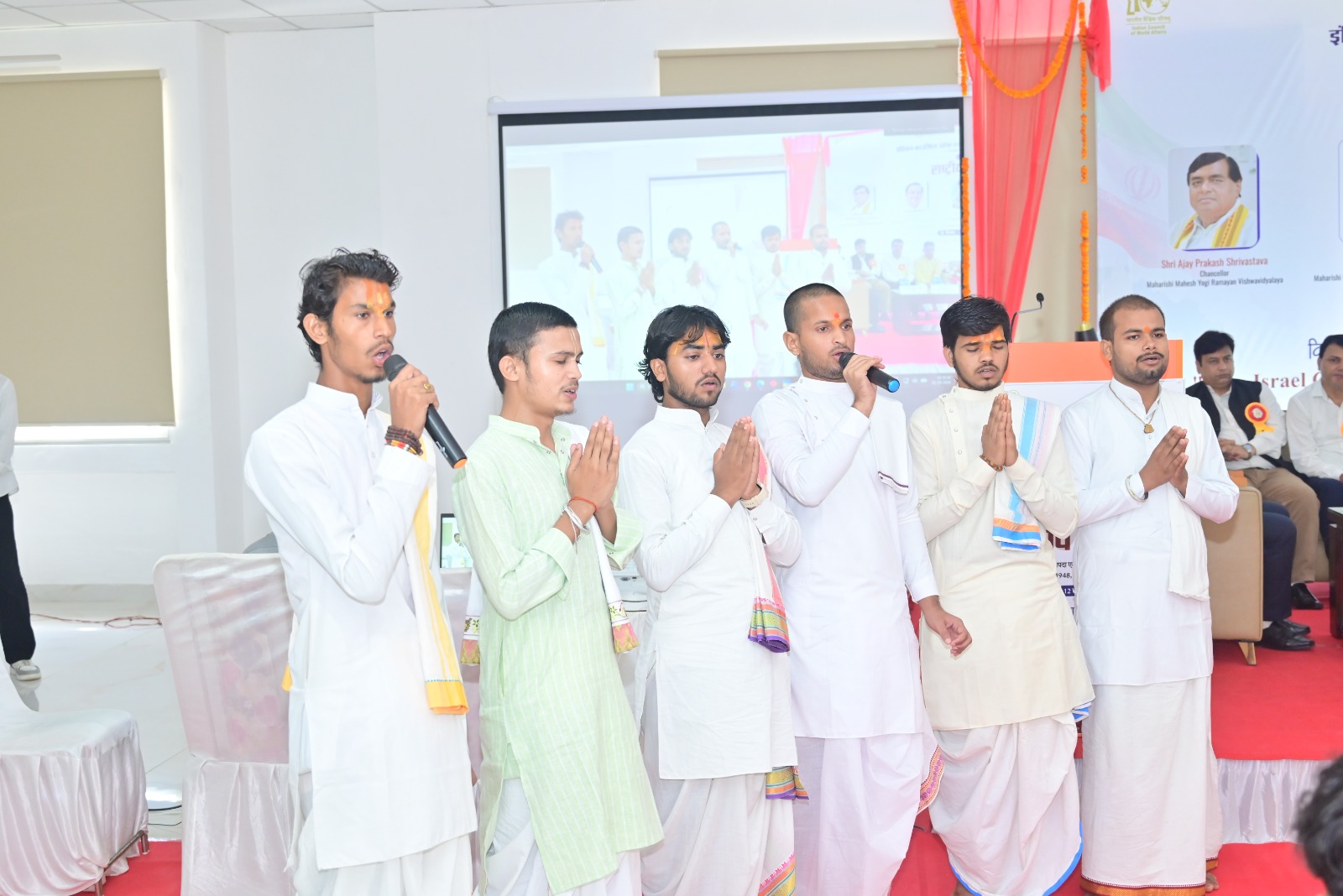
The seminar commenced with Guru Pujan and Mangalacharan. The Vice-Chancellor, Prof. Bhanu Pratap Singh, presented mementoes to the guests, and pre-seminar proceedings containing 39 research papers were released. The Chief Guest was Prof. Shri Prakash Mani Tripathi (Former Vice-Chancellor, Indira Gandhi National Tribal University), with Prof. Danpati Tiwari (Principal, K. S. Saket P.G. College) as Guest of Honour. The keynote address was delivered by Dr. Idresh Kumar (Head, Dept. of Political Science, Digvijay Nath P.G. College, Gorakhpur). The vote of thanks was proposed by Pro-Vice-Chancellor Dr. Rajiv Kumar Mishra and Dean Academic Dr. Rita Jaiswal. Dr. Salil Kumar Pandey (Convener and Organizing Secretary) conducted the session, and Dr. Puneet Gaur (Fellow, ICWA) delivered a special address.
First Technical Session
Chaired by Prof. Suchita Pandey (Principal, B. N. K. B. P. College, Ambedkar Nagar). Shri Kirti Kumar delivered the expert address, and Prof. Karuna Shankar Upadhyay (University of Mumbai) participated online with a special lecture. Conducted by Dr. Rekha Pant; report presented by Ms. Nidhi Asthana. Focus: strategic dimensions of the conflict, regional security, and international politics.
Second Technical Session
Chaired by Prof. Reena Pathak (Principal, Shiv Harsh Kisan P.G. College, Basti). Prof. Kumud Ranjan (K. S. Saket P.G. College) addressed the session as subject expert. Conducted by Dr. Anand Dubey; report by Ms. Akanksha Singh. A total of 16 participants presented papers (online and offline) across the first two sessions. Organizational support came from Ms. Veena Pandey, Dr. Kumar Gaurav, Mr. Manoj Kumar, and Dr. Savita Ojha; overall technical session coordination by Dr. Ram Lakhan Singh.
Third Technical Session (13 September 2026)
Chaired online by Prof. Yogendra Prasad Tripathi. Prof. Kavita Singh (Head, Dept. of Ancient History, K. S. Saket P.G. College) addressed as subject expert. 12 research scholars presented papers. Conducted by Dr. Savita Ojha; report by Dr. Vartika Awasthi.
Fourth Technical Session
Chaired by Dr. Vishwanath Dwivedi. Dr. Nilay Tiwari addressed the session as subject expert, with scholars presenting on the social, political, and diplomatic impacts of the conflict. Conducted by Dr. Swati Singh; report by Ms. Jyotsna Bhardwaj.
Valedictory Session
Held on 13 September 2026. Prof. Om Nath Vimli (Director, Centre for Hindu Studies, University of Delhi) spoke as Guest of Honour on the significance of academic discourse on Middle East developments. Vice-Chancellor Prof. Bhanu Pratap Singh stressed cultivating self-study and linked the conflict to India's energy security, diaspora welfare, defence cooperation, and diplomacy. Prof. Surendra Mishra attended as Chief Guest, and Prof. Shiv Kumar Sharma participated online. The vote of thanks was proposed by Dr. Rita Jaiswal. Chancellor Shri Ajay Prakash Srivastava, with Board of Governors members Shri Rahul Bhardwaj and Shri Pankaj Sharma, congratulated the organizers.
Major Themes
Discussions spanned: (1) Regional and global implications; (2) India's foreign policy and strategic autonomy; (3) Energy security and oil prices; (4) Maritime routes, Chabahar, and trade; (5) Indian diaspora and security; (6) Defence and strategic interests; (7) BRICS and the Global South; (8) Economic and humanitarian concerns; (9) Dialogue and multilateral cooperation; (10) Academic research and discourse.
Conclusion
The seminar concluded that the Iran–Israel conflict's impact extends beyond the Middle East into international politics, energy security, maritime trade, regional stability, and India's foreign policy — underscoring the need for India to balance national interests with strategic autonomy, diplomacy, energy security, and multilateral cooperation. The event fostered research, dialogue, and academic engagement on contemporary global politics and international relations.